
SRT Lab
Self-rehabilitation
& Group therapy
SRT Lab
Self-rehabilitation
& Group therapy
Break the cycle of physical inactivity
Ageing population is a challenge for healthcare systems. Collectively, we need to find solutions to develop intensive and diversified care pathways.
- The World Stroke Organisation recommends 3 hours of rehabilitation per day after a stroke.
- According to Barrett et al. (2018), prolonged inactivity periods reach 5.3 hours on weekdays and 6.8 hours during weekends.
These periods maintain deconditioning effects that affect patients’ recovery. Studies show that increasing activity time for patient is an essential factor in the functional recovery and autonomy maintenance.
Daily life of a rehab patient
During weekdays
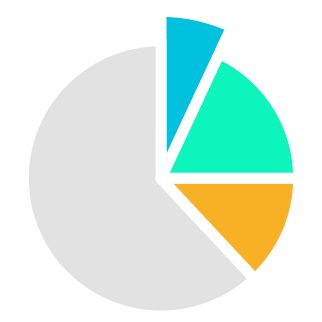
Rest: 22%
Physical therapy: 7%
During weekends
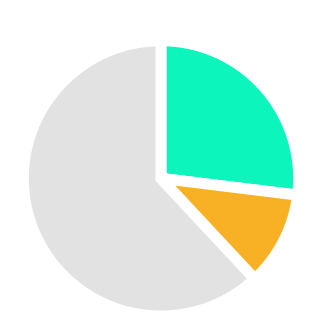
Sleep: 41%
Rest: 21%
Source : Barret et al . (2018)
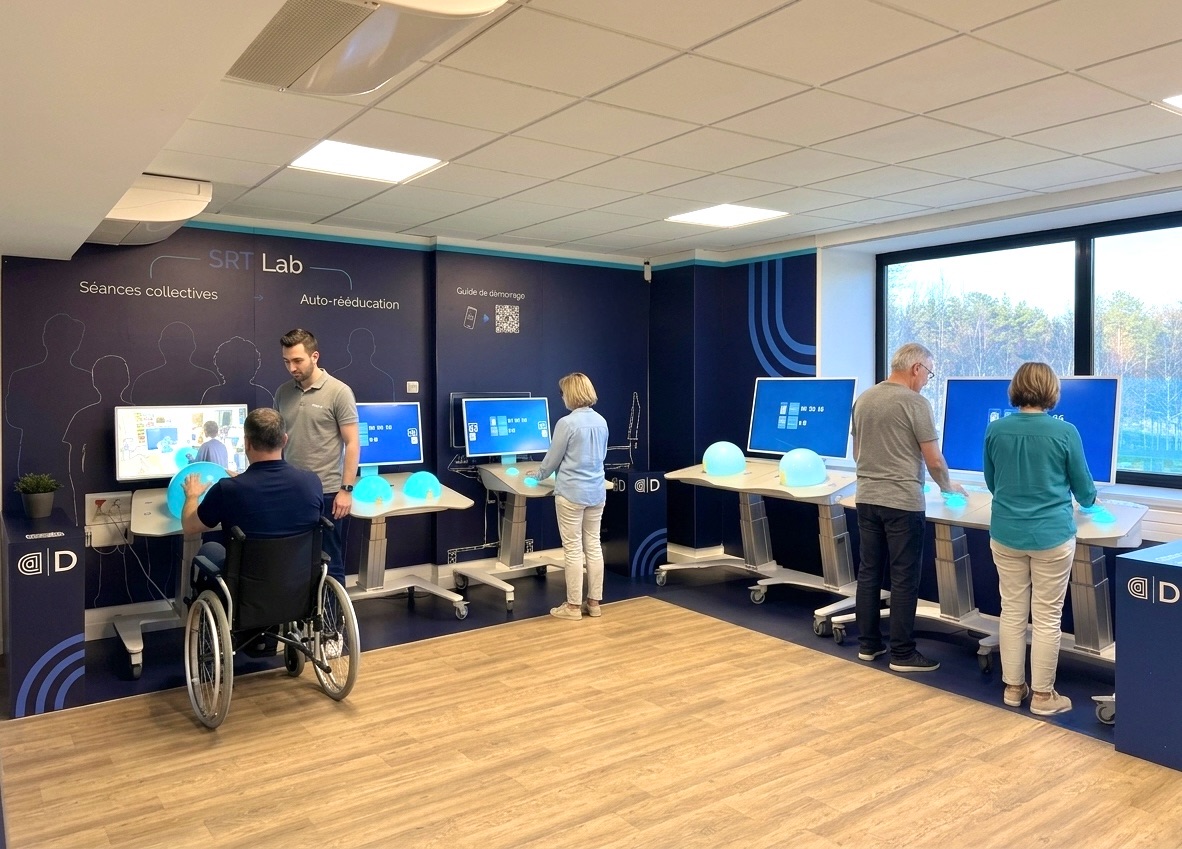
Our vision
The SRT Lab
Based on the previous observation, it is therefore essential to involve patients in their rehabilitation. Therapists and relatives should also motivate them to increase the amount of daily activity.
Integrating a SRT Lab into the care pathway helps to reduce inactivity time and makes the patient actor in his or her own rehabilitation.
It consolidates and improves motor recovery, in addition to conventional therapy. Thanks to this innovative approach, risk of physical condition loss and autonomy loss are limited.
The therapists remain essential and guide the patient towards exercises adapted to their recovery stage.
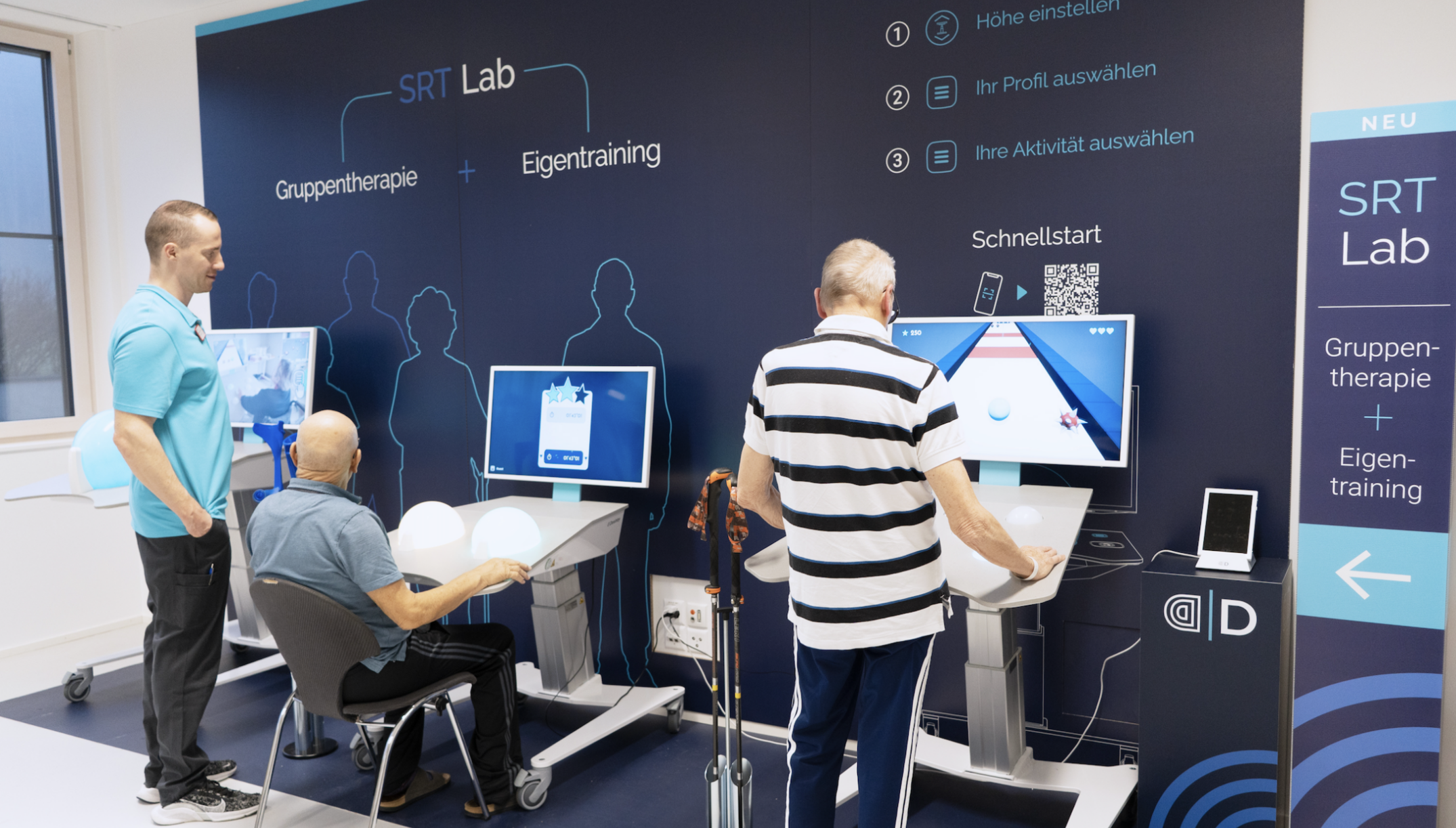
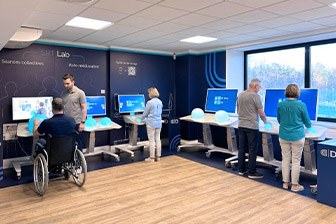
A rich and open space
to make patients actors in their rehabilitation
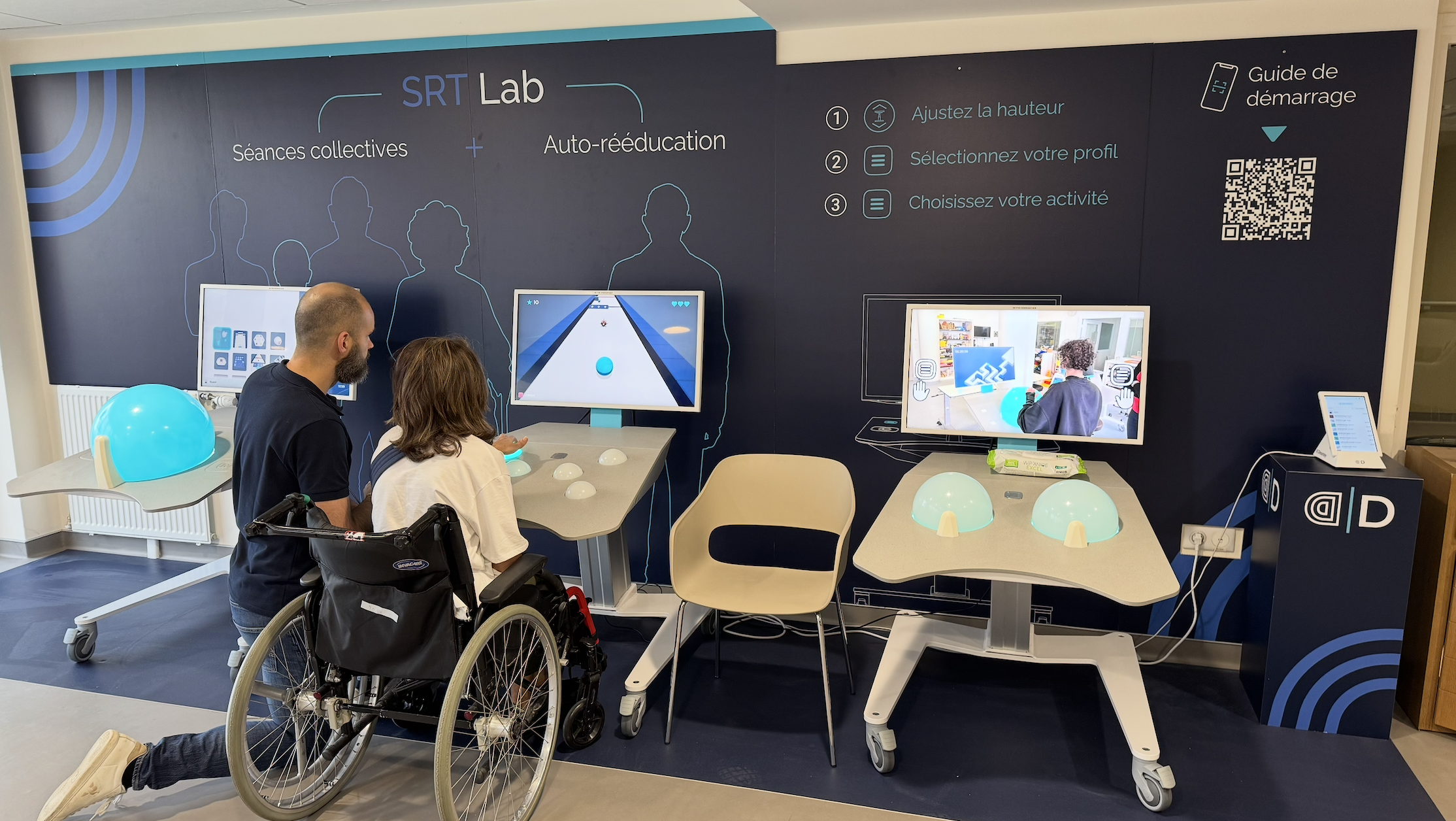
In autonomy
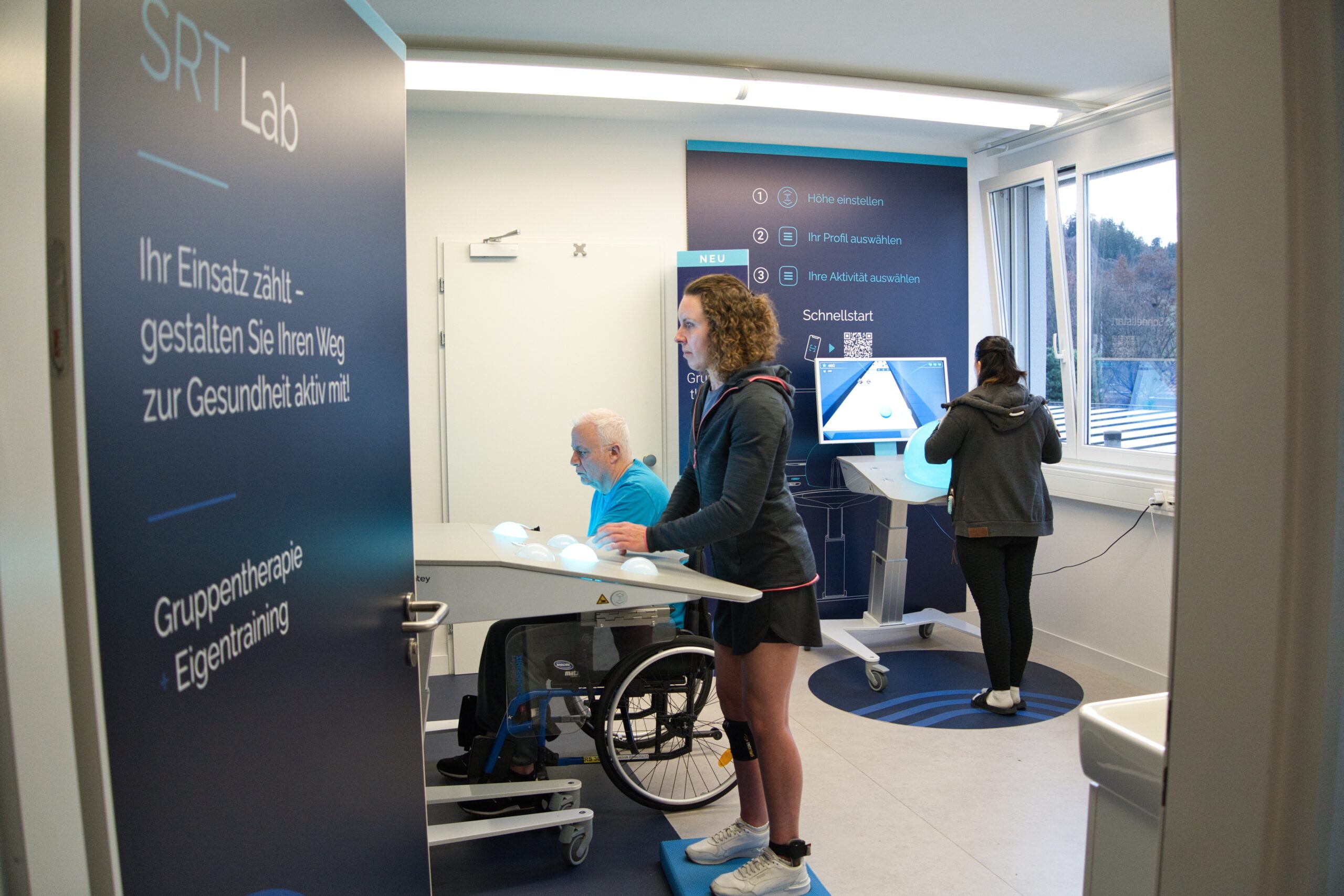
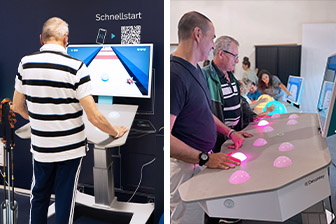
The patient can come in autonomy alone, with other patients or with their family and caregivers.
Group therapy
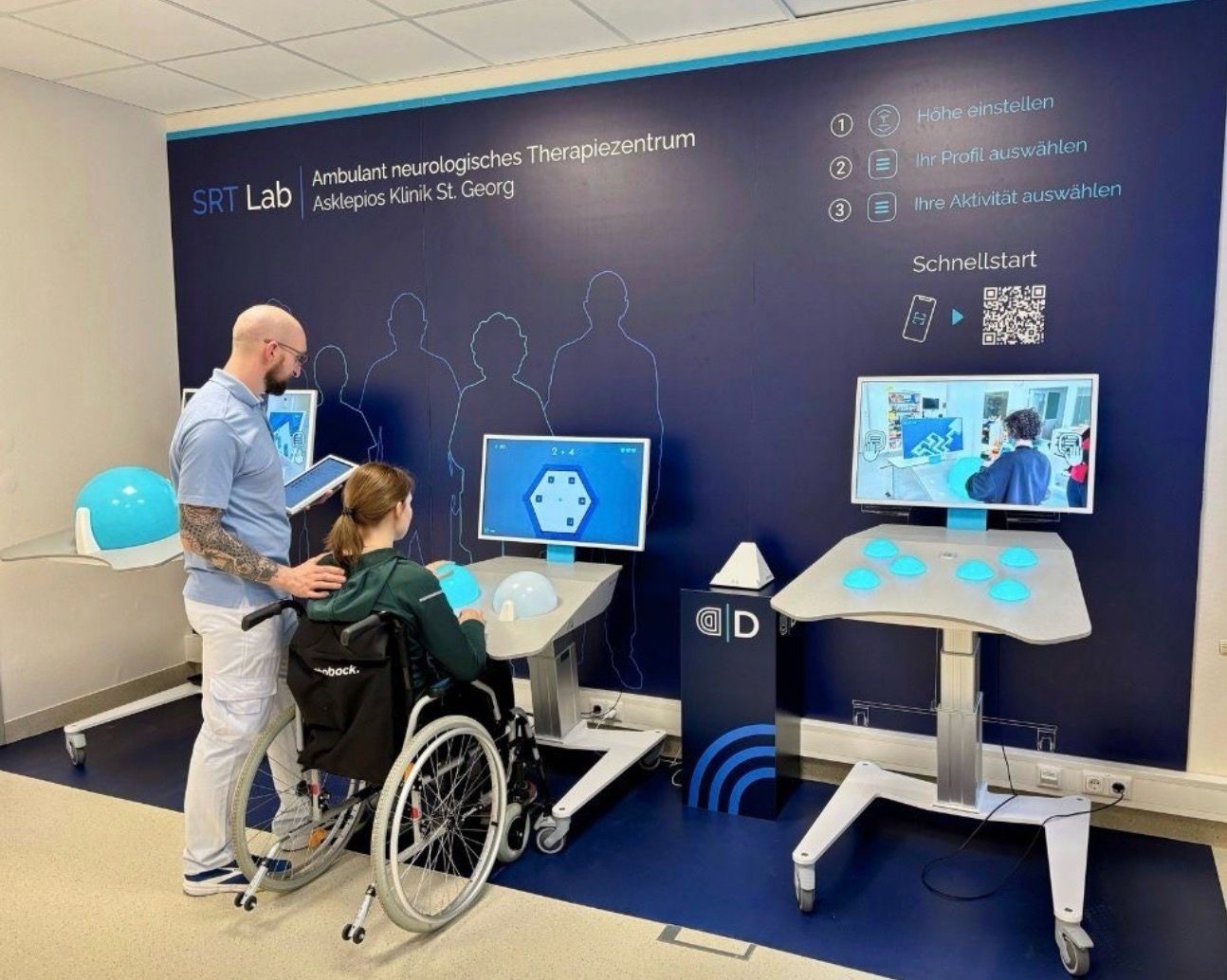
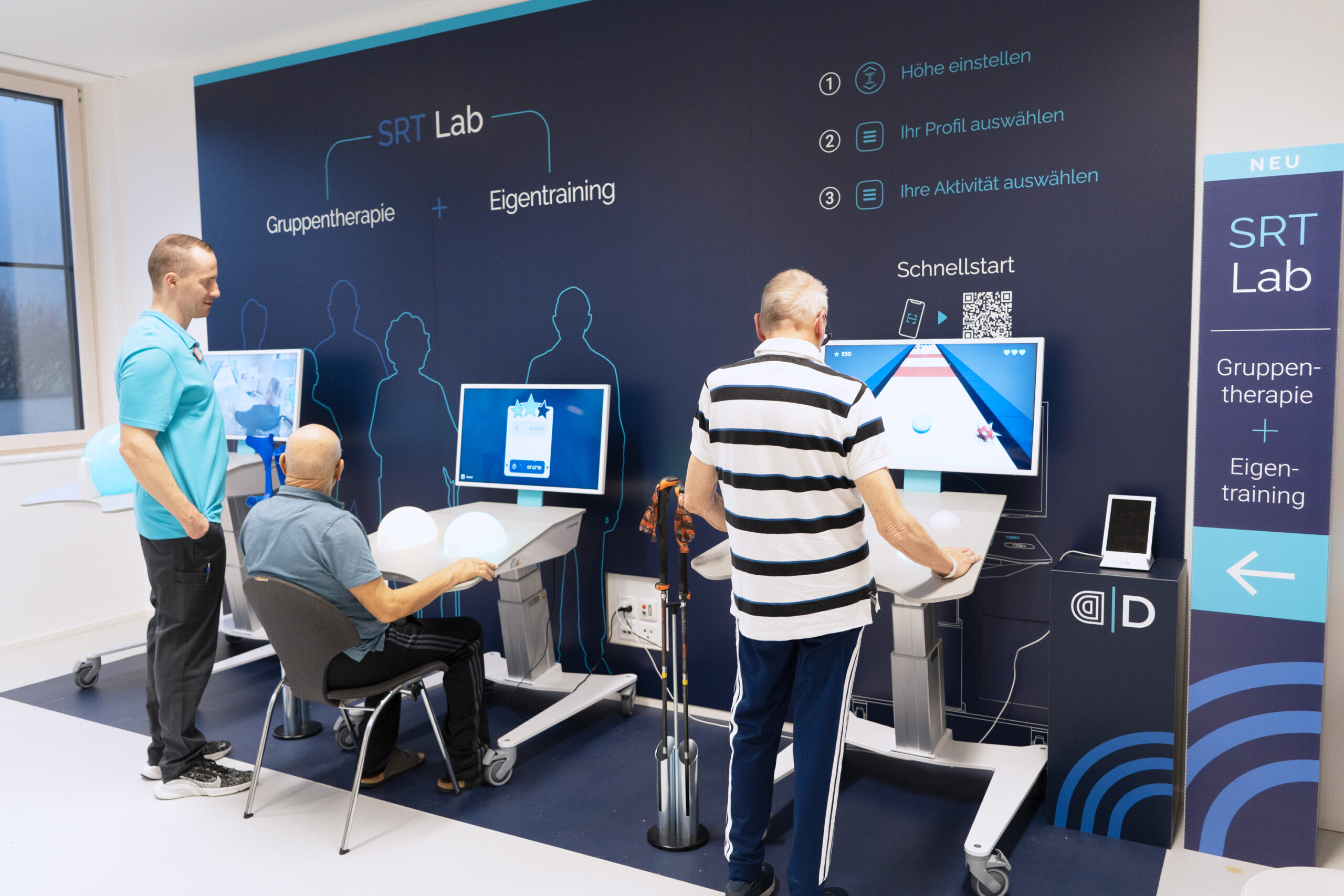
The space can also be used for supervised group therapy with multiple patients.
SRT | Self-Rehabilitation Technology
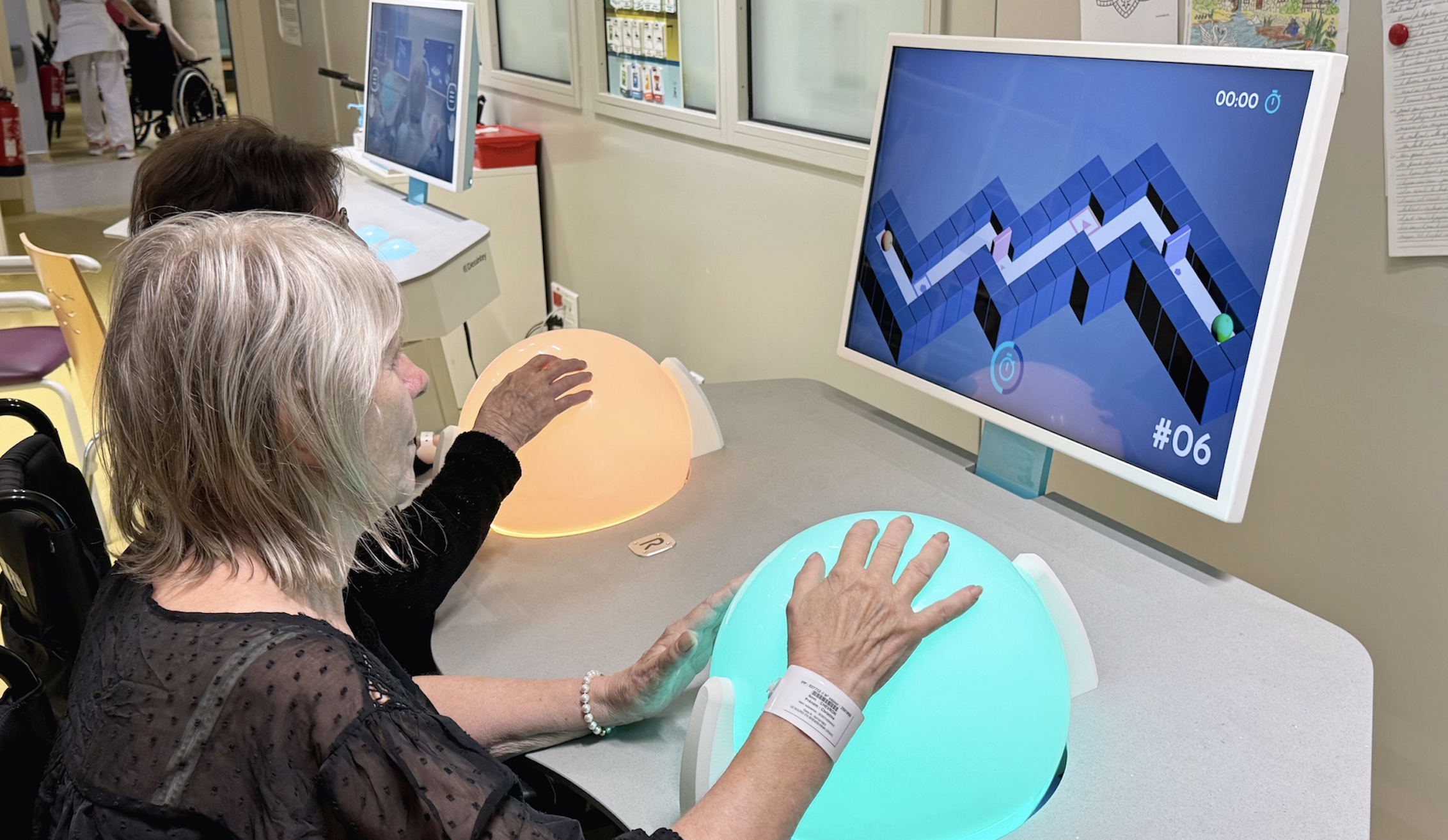
SRT stimulates the patient in a fun and intuitive way, using one or more spheres manipulated with one or both hands.
These devices can be used outside of conventional rehabilitation sessions:
- In a self-rehabilitation space
- In supervised group therapy
The patient focuses on performing and repeating the movement through cognitive and motor activities.
Ultra-intuitive, SRT devices are accessible to both children and the elderly, in a sitting or standing position.
The patient’s actions are transcribed in real time on the screen.
The patient can perform various activities uni- or bimanually, alone, with other patients, or with relatives. Many cognitive and motor activities are already available to keep the patients motivated and involved in their rehabilitation.
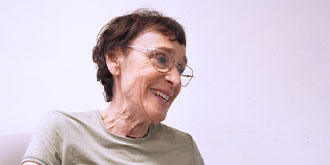
It forces us to make simple movements.
I’ll try all the different devices to maximize my chances.”
Claudine, patient
– IRR LNA Romainville (FR)


Set of 5 devices to adapt to all kind of patients,
from less motor impairments to severe
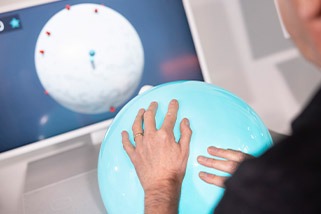
SRT5
- Work on global movement, focusing on elbow and shoulders
- Possible to constraint the use of the pathological hand
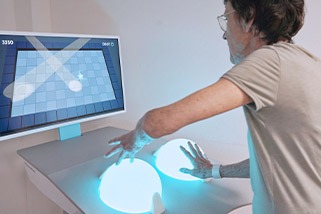
SRT2
- Work on bimanual coordination
- Requires less arm elevation
- Intensive training on wrists movements
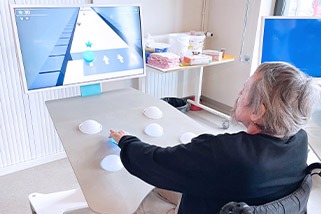
SRT6
- Accessible for patients with limited proximal movements (shoulders)
- Intensive training on hand and wrist
- Work on attention and multi-sensations (screen + spheres)
NEW
SRT Duo
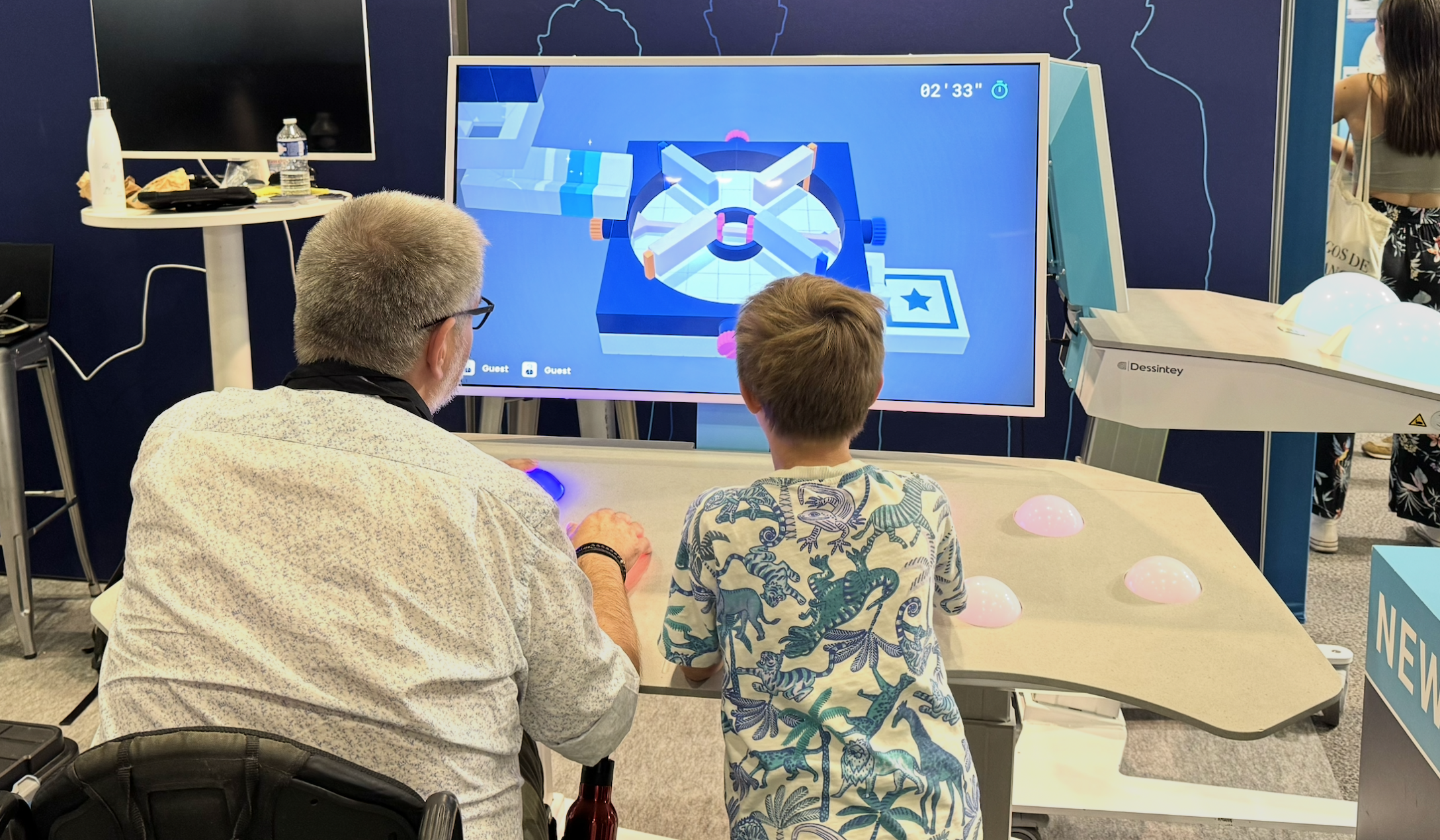
- Stimulates cooperation and social interaction through collaborative activities.
- Strengthens engagement and motivation through playful competition.
SRT1&1
SRT5&5
Bring Next-Generation technologies to your facility
Let’s organize a dedicated presentation and hands-on testing for your team and patients.
SRT Lab Spaces
Designed to structure and enhance rehabilitation
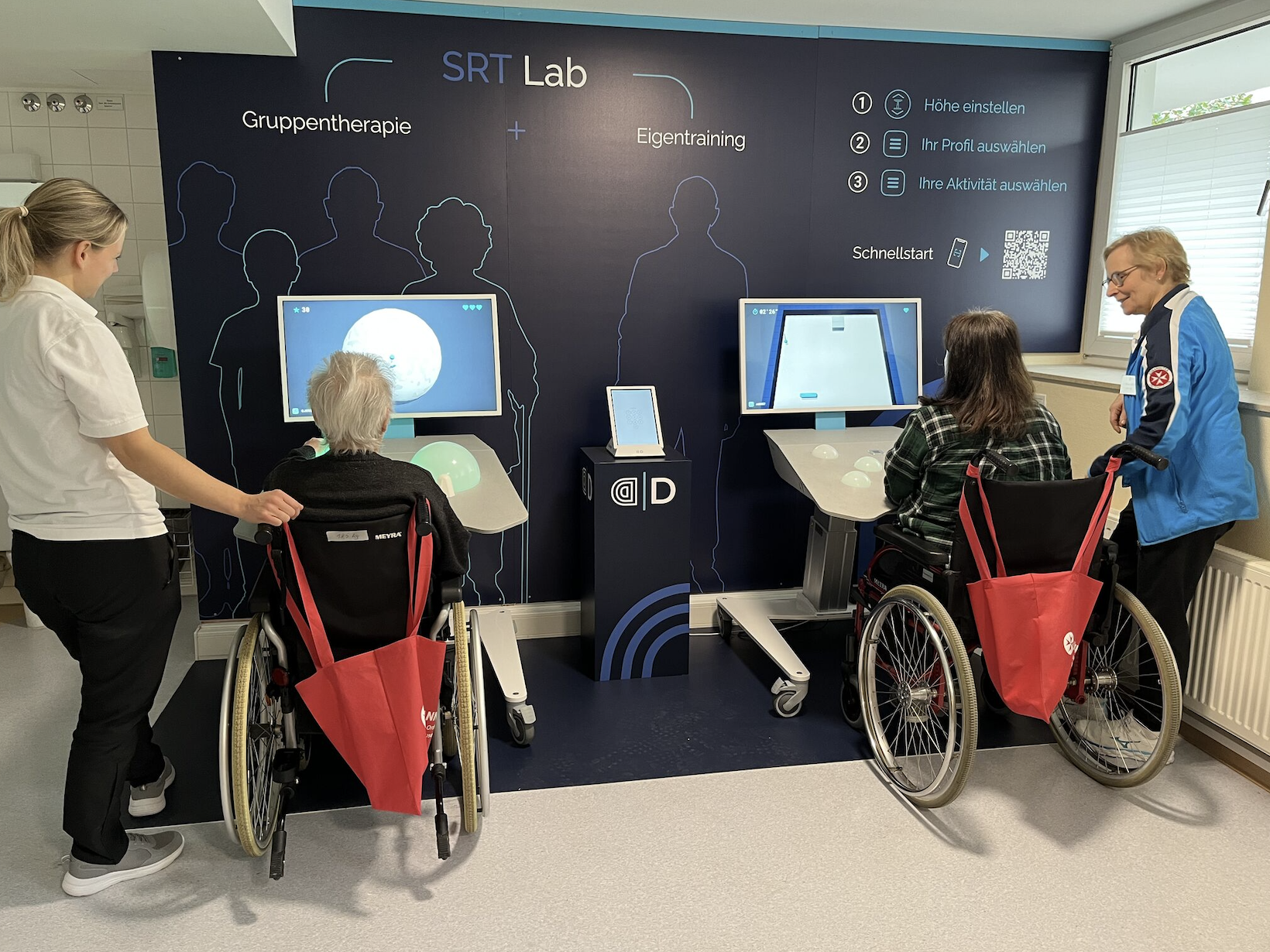
SRT Lab spaces transform rehabilitation areas into open, visible, and easily identifiable environments within healthcare facilities.
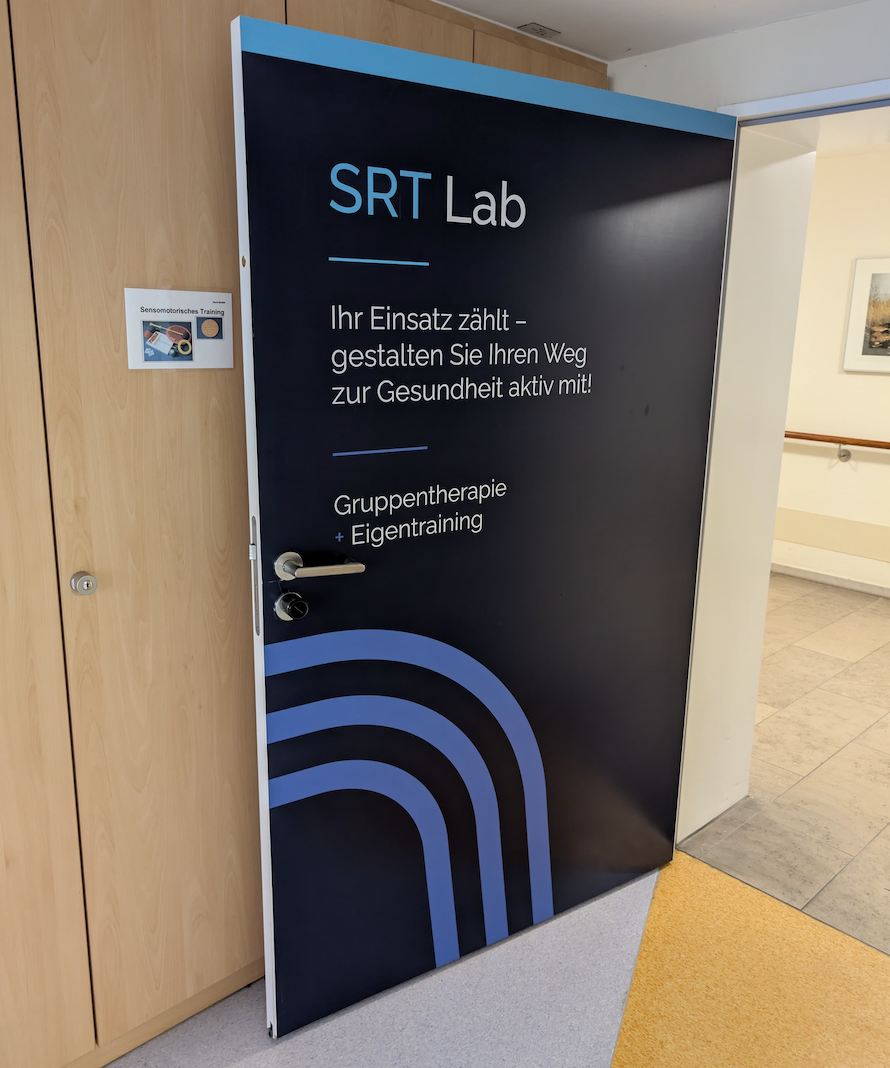
Through clear signage and attractive design, they become key landmarks along the care pathway. Above all, they are dedicated activity areas that encourage movement, engagement, and active patient participation in rehabilitation.
They facilitate orientation, enhance autonomy, and promote participation in therapeutic activities. Accessible and stimulating by design, SRT Lab spaces make rehabilitation activities visible to everyone, creating a positive and motivating atmosphere where patients can draw inspiration from one another’s progress.
Beyond their therapeutic role, SRT Lab spaces are also places for connection and interaction. They encourage exchanges between patients, support the sharing of experiences, and help reduce the sense of isolation that can accompany rehabilitation. This collective dimension strengthens motivation, peer support, and adherence to rehabilitation programs.
In this way, SRT Lab spaces foster collaboration between patients and care teams while increasing the time devoted to rehabilitation activities. Designed to integrate seamlessly into clinical practice, they help optimize session organization by combining supervised therapy with self-directed rehabilitation.
SRT Lab spaces therefore become powerful enablers of rehabilitation that is more intensive, more visible, more engaging, and more human-centered.
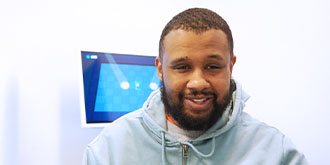
Steve, patient
– Rothschild Hospital (FR)
Complementary
technologies
The SRT Lab is inclusive for all kind of patients: neurology, orthopaedics, geriatrics, paediatrics, etc.
All SRT devices offer common exercises in order to adapt work to patients’ motor recovery, or in order to work on the same activity but in a different way.
Cognitive-motor activities are adapted to each device. Exclusive activities are also developed in order to diversify training possibilities.
By practising in the guided self-rehabilitation lab, patients develop :
- balance in standing position
- double-task, especially on SRT2 and SRT6, with screen and random spheres management
Large diversity of motor & cognitive exercises
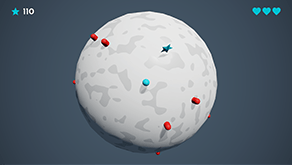
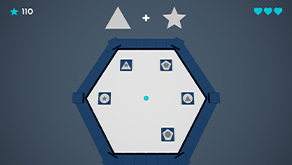
memory
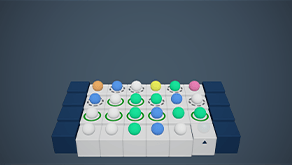
attention
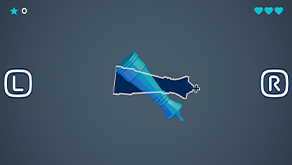
Visual representation, mental rotation
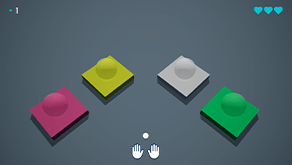
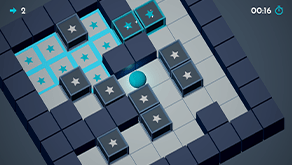
Problem resolution,
visual exploration
Fine movements, attention, coordination
Cognitive flexibility,
memory
Problem resolution,
attention
Visual representation, mental rotation
Problem resolution,
visual exploration
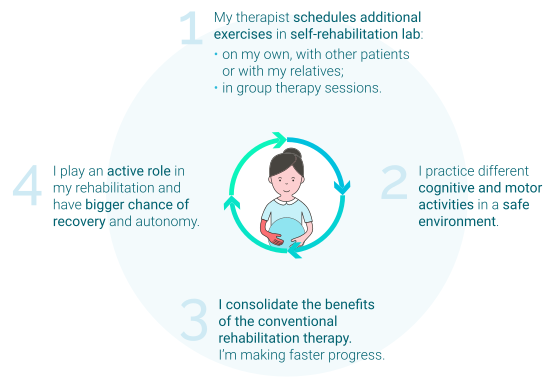
Vicious circle of inactivity
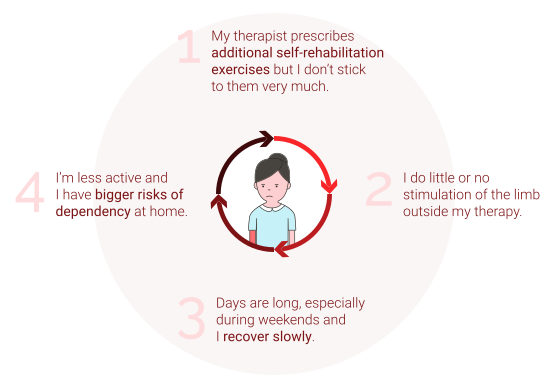
Virtuous circle for recovery
Why set up a SRT Lab?
1. Preventing the harmful effects of prolonged inactivity.
2. A rich environment based on cognitive and playful activities to stimulate
the patient and increase physical activity.
3. High level of clinical evidence on self-rehabilitation approach.
4. Ultra-intuitive and easy for all patients.
5. Intensive rehabilitation to encourage movement repetition.
6. Bimanual or unimanual motor training to constrain the use of the impaired limb.
7. Safe, seated or standing position.
8. Real-time adjustment of difficulty level according to patient recovery.
9. Performance monitoring
(activity time, number of movements, etc.).
10. Activities can be performed alone, with relatives or during group therapy session.
ARM LAB
Continuum of care for upper limb rehabilitation
Action Planning
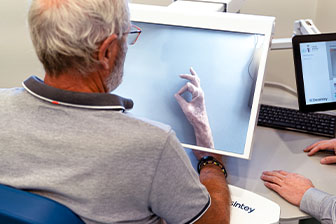
IVS3
- Visuomotor simulation
- Body awareness and action planning
- Proximal and distal work
Motor Execution
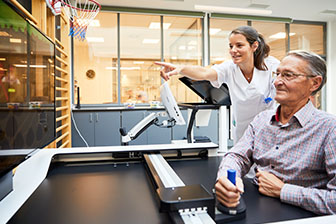
REAplan
- Self-adaptive robotic assistance
- Motor execution and performance
- End Effector and proximal work
Motor Execution
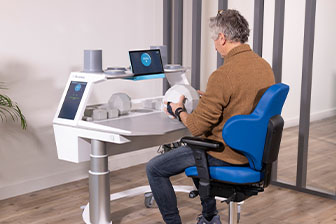
STIIMP
- Reinforcement and reward for the use of the paretic arm
- Intelligent and connected objects
- Intensive uni- and bi-manual activities
Cognitive & Motor
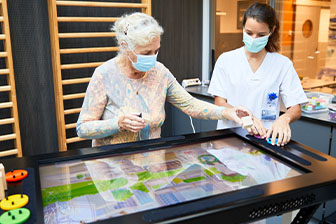
REAtouch
- Interactive & playful device
- Based on the HABIT-ILE method
- Intensive uni- & bimanual activities
Motor Execution
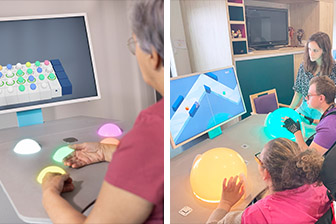
SRT Lab
- Increasing patients' activity time
- Rich and playful environment with cognitive and motor activities
- Group therapy & Self-rehabilitation
GAIT LAB
Continuum of care for lower limb rehabilitation
Action Planning
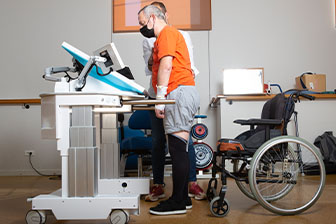
IVS4
- Visuomotor simulation
- Body awareness and action planning
- Sitting & standing work
Motor Execution
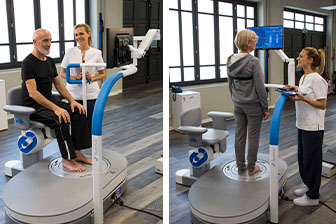
hunova
- Dual seated and standing robotic platform
- Balance assessment and rehabilitation
- Sitting & standing work
Motor Execution
SRT Lab
- Increasing patients' activity time
- Rich and playful environment with cognitive and motor activities
- Group therapy & Self-rehabilitation
SRT LAB
Group therapy & self-rehabilitation
Motor Execution
SRT Lab
- Increasing patients' activity time
- Rich and playful environment with cognitive and motor activities
- Group therapy & Self-rehabilitation
Cognitive & Motor
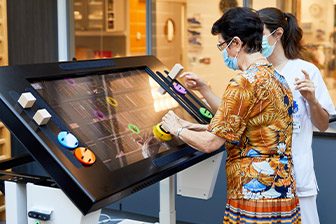
REAtouch
- Interactive & playful device
- Based on the HABIT-ILE method
- Intensive uni- & bimanual activities